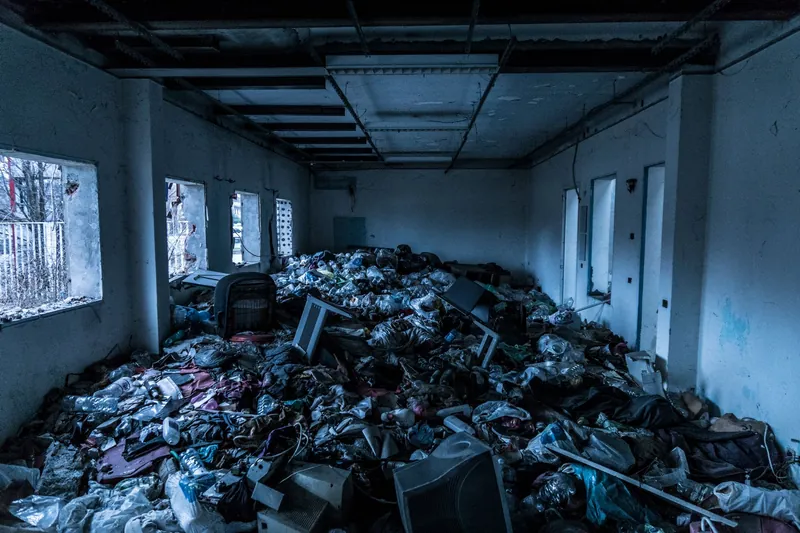
Hoarding Cleanup
Respectful sorting, item removal and deep cleaning are included in hoarding cleanup.
See hoarding cleanupRemove animal waste, urine-soaked materials, contaminated clutter and ammonia odor from a home or rental in Lyons. Personal property is sorted before affected surfaces are cleaned.
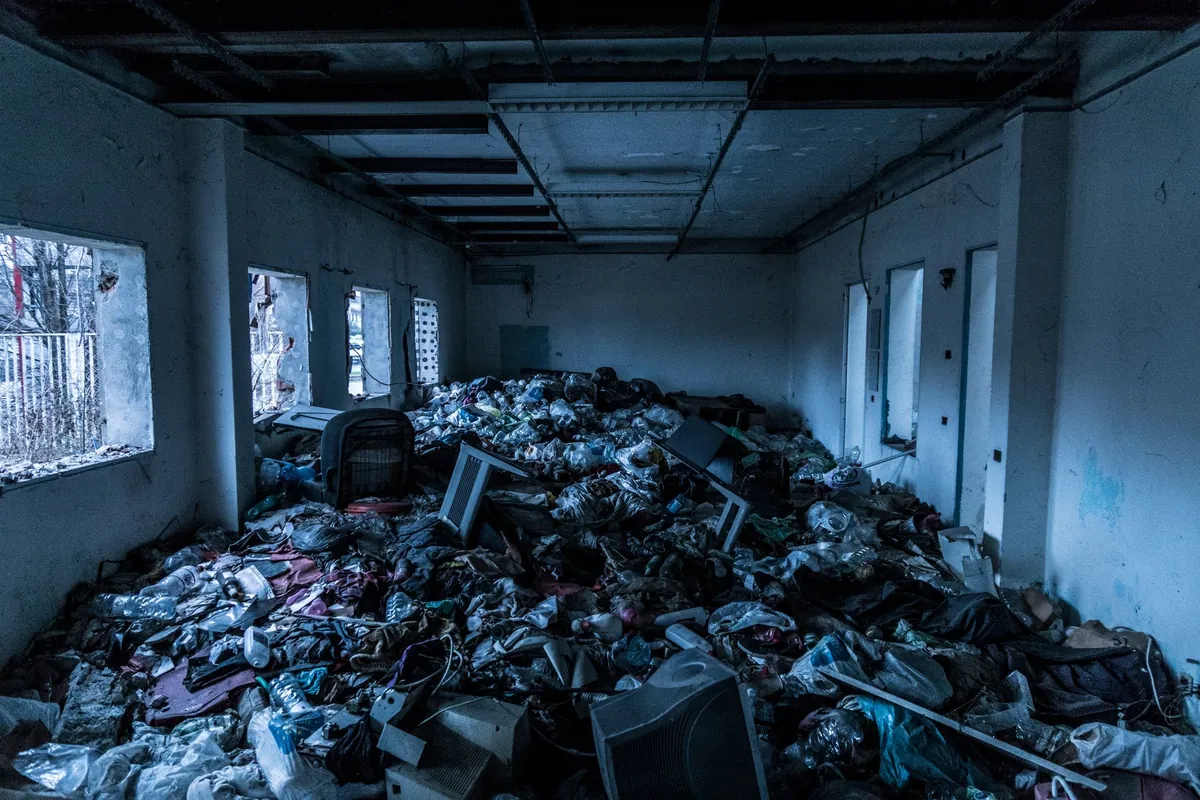
Animal hoarding cleanup takes away feces, urine, soiled clutter and porous materials that are too damaged to remain. It continues with cleaning and disinfection of exposed surfaces, followed by treatment of odor sources.
Before work begins, the person or agency in charge of the animals must remove them or place them somewhere secure. Decisions about ownership, custody and veterinary treatment remain outside the cleanup workers' role. Workers focus on opening access through the affected space, sorting belongings away from waste and cleaning the contamination that remains.
A single property can need several kinds of work across its rooms, including waste disposal, biohazard remediation, hoarding cleanup and restoration. Some hard surfaces and non-porous possessions can be cleaned. Porous carpet, padding, drywall, cabinets, insulation or subfloor may require removal after absorbing feces or urine. Scope becomes clear through the conditions found beneath the accumulation, which may differ from what the doorway reveals.
Workers arrive using unmarked vehicles. To avoid drawing unnecessary notice, crews can carefully position work zones and organize how bags are loaded.
Work zones and protective equipment are planned for animal waste, sharp objects, shifting piles and contaminated materials so clean rooms stay protected.
Separate sections for item decisions, removal, cleaning, disinfecting, odor control and later restoration make every step and related cost factor clear. The detailed scope helps you judge whether the cleanup approach suits the property.
Your input guides every personal property decision. Before authorized contents are taken out, documents, photos, medicines and items awaiting a decision are placed apart.
Professional animal hoarding cleaning may become necessary when accumulated waste makes normal housekeeping unsafe or insufficient, or when the task feels too difficult emotionally. Examples include:
Belongings, crates and waste block access to bathrooms, bedrooms, doors or utilities and obscure the affected areas.
The tenant, owner or estate representative needs affected contents recorded, removed and cleaned once personal property choices and access are settled.
Surface washing cannot eliminate the odor source after repeated urine exposure reaches carpets, cabinet areas, wall edges or the subfloor.
Living animals have been moved to safety, leaving cages, litter, feces, urine and damaged household contents that require a controlled cleaning plan.
Start with animal safety, permission to enter and a clear limit around the contaminated space. These first steps protect you, the animals and important belongings:
Call (888) 440-9227Published costs for biohazard work in a hoarded property begin at $1,500 and reach $5,000. One pricing guide gives animal waste cleanup a range of $500 to $8,000. Another source shows $500 to $5,000. These figures help with planning and are not a quote. Your property's scope depends on waste quantity, the length of the buildup, affected materials, odor treatment and disposal needs.
These national ranges are taken from published cost guides, rather than a property visit. You learn what your property will cost after the on-site assessment and before any work begins.
Ask about cost: (888) 440-9227Insurance may not pay for animal hoarding cleanup. Coverage depends on the applicable policy, the source of the damage, responsibility for the premises and which elements of cleanup the insurance company agrees to cover.
Ask the insurer how coverage differs for a specific damaging event, animal waste, damage over time, upkeep, item removal and odor treatment.
An authorized estate representative should confirm who can approve sorting, removal and payment. Valuable records and keepsakes should be separated before the cleanup service removes damaged contents.
When requesting insurance assistance, ask about the cause of loss, needed documentation and photos, structural repairs versus waste removal and the deductible's effect. Keep the scope and receipts.
Local requirements, the rental agreement and documentation of the home's condition may affect responsibility for arranging and paying. Before moving personal property, the owner and tenant should agree on who has authority and access.
Cleanup follows a safe progression: confirm animal clearance, assess hazards, sort belongings, remove affected material, clean the space and complete a walkthrough. Conditions vary by property, but the full process generally keeps this order:
Before anyone enters, the person in charge verifies safe placement for every living animal and confirms that the property is accessible. Every situation includes a property walkthrough to document waste, blocked access, odor sources, damaged items and agency directions.
Work zones are separated from clean areas. Cleanup technicians plan where contaminated materials will exit and select protective gear suited to the hazards, avoiding belongings kept safe.
Papers, photographs, medication, keys and keepsakes go into a separate area for your decisions. You identify what to keep, consider later, donate or discard before removal begins.
If cleanup involves scattered waste, litter, broken cages, spoiled belongings and authorized clutter, an organized collection sequence is used. Clean rooms are kept free from dragged heavy bags.
The condition of carpet, pad, wallboard, insulation, cabinets and subfloor is examined following contamination. Waste rules guide possible removal when affected material cannot be cleaned completely.
Exposed hard surfaces are cleaned before disinfection. When disinfection is appropriate, an EPA-registered product stays wet for the full contact time stated on its label.
Removal begins with feces, urine and affected porous material. Afterward, air scrubbers, HEPA vacuums and targeted methods can reduce the particles and smells left behind.
You inspect each cleaned space, saved belonging and material taken out. Separate items are noted for outstanding pest treatment, building repairs, replacement flooring and any additional restoration services.
Phone any hour. Your animal hoarding cleanup specialist answers the phone, describes what happens next and works with you on a start time.
Animal waste that has accumulated in enclosed areas may expose you to microorganisms, ammonia irritation, airborne material and pests. It can also create unstable, unsafe surfaces for walking.
Bags or bedding may conceal needles, shards of glass, broken cages and metal with sharp edges. Unstable stacks can drop items while narrow routes increase the chance of tripping during the removal work.
The condition of the home and concern for the animals can be distressing. A written sort plan and a protected area for keepsakes help you make decisions without rushing through personal property. You can move forward gradually by working through one space at a time.
Microorganisms in animal feces may spread onto your hands, footwear and surfaces close by. A dry broom can send dust into the air. Large accumulations can raise serious health concerns, so waste should be collected without spreading it through clean rooms.
Can you clean it yourself? You may use gloves and an appropriate cleaner for a recent, limited pet accident on a sealed surface that is not porous. When disinfection is necessary, use an EPA-registered product according to its label for the entire required contact time. Seek professional cleanup when waste covers a large area, has soaked into porous materials, is mixed with sharps or clutter, or the air causes irritation.
Condition and contamination determine whether an item can stay. Your approval determines what happens to personal property whenever an item can be safely checked.
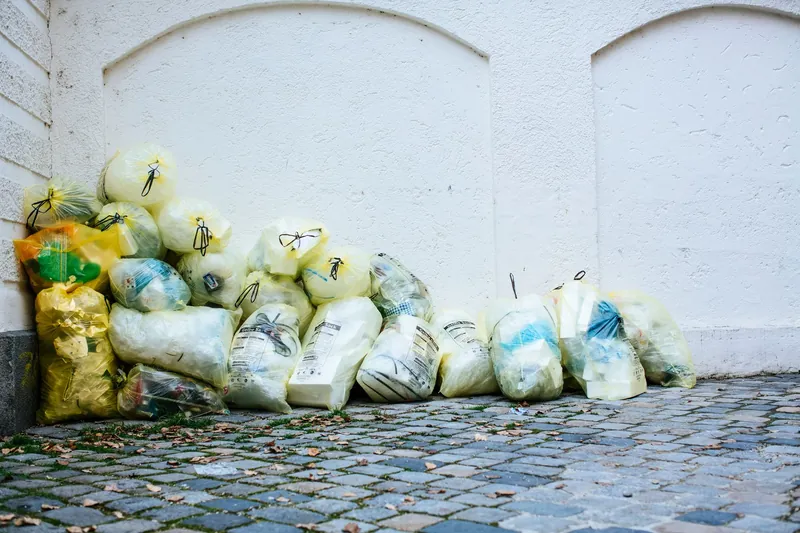
OSHA Bloodborne Pathogens Standard, 29 CFR 1910.1030, requires training, protective equipment and exposure controls for workers who may contact human blood or another potentially infectious material.
For proper use, confirm the disinfectant is EPA-registered for that purpose and allow its entire labeled contact time on the surface. Remove visible soil before you apply disinfectant.
New York treats blood-soaked materials from a biohazard scene as regulated medical waste. Rules from the Department of Environmental Conservation and the Department of Health control how it is packed, moved and treated, so it cannot go in household trash.
Any written direction from the owner, a court, law enforcement, housing officials or animal control should guide your actions. Cleaning may begin once questions about animal custody and legal access have been settled.
One small affected area may take a day to clean, while animal hoarding work across multiple rooms may last several days. More time can be necessary throughout a home when blocked access, property decisions, contaminated building materials or later repairs add to the work.
The full animal hoarding cleanup guide covers what is cleaned or removed, odor and air quality work, and the rules that apply in your state.
Read the full animal hoarding cleanup guideLocal population patterns, housing and site access may affect how containment and cleanup are planned.
At 28.2% renter occupancy, most housing is owner occupied, which can reduce the number of parties involved in cleanup authorization.
The median home in Lyons was built in 1938, so cleanup may uncover porous plaster, wood, or layered flooring that retains contamination.
In Lyons, 219 older adults live alone, making privacy important when relatives, landlords, or building staff become involved.
The local 72.6% single-family share makes household level privacy practical while affected rooms are isolated and treated.
You can ask about cleanup in nearby communities and ZIP codes during the call.
Respectful sorting, item removal and deep cleaning are included in hoarding cleanup.
See hoarding cleanup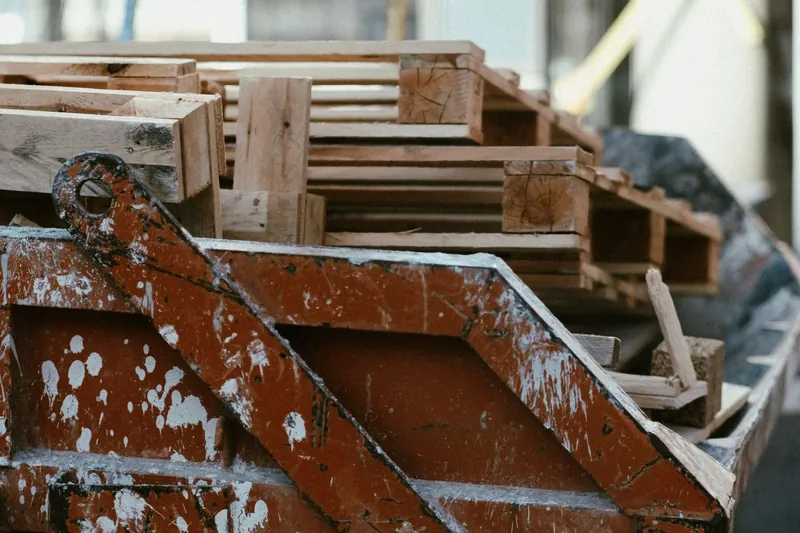
Hoarder house cleanout covers every room from start to finish and includes trash removal.
See hoarder house cleanout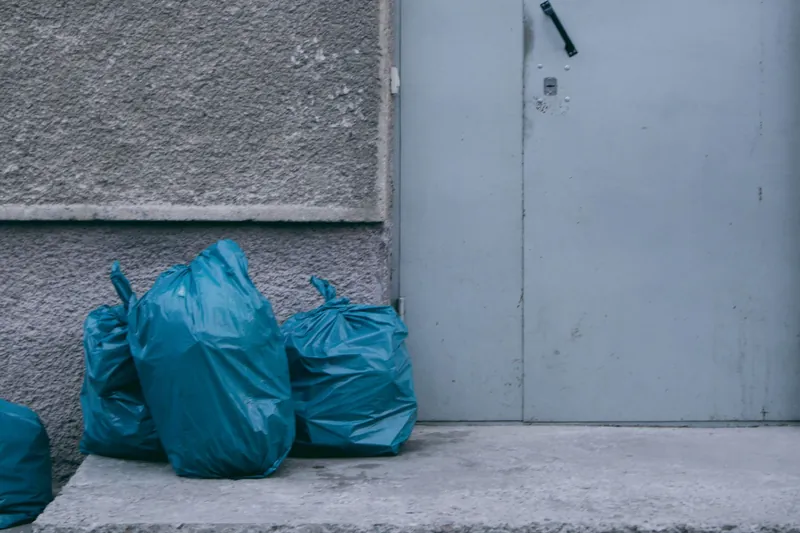
Cleanup addresses severe filth and squalor when a home has become unsafe to live in.
See filth and squalor cleanup
Cleanup removes infectious material, including blood and body fluids, and disinfects the property.
See biohazard cleanup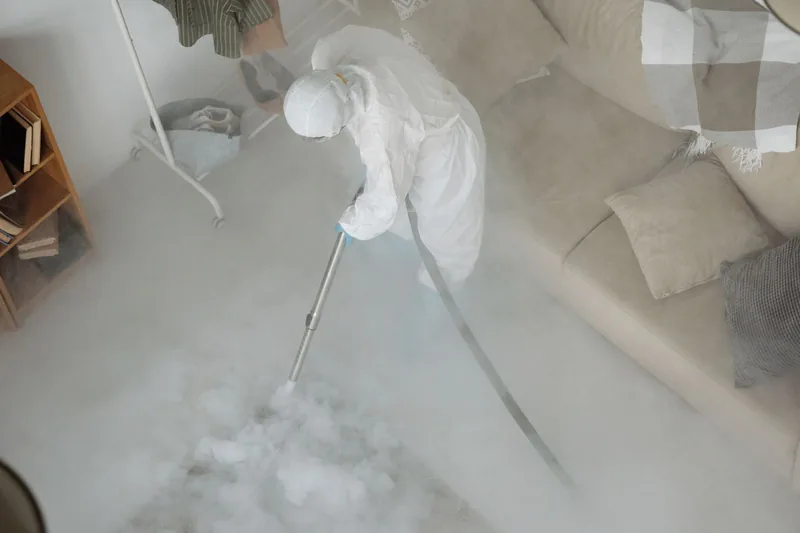
After exposure to infectious or hazardous material, the air, room and surfaces are fully decontaminated.
See biohazard decontamination
Disinfection accompanies human feces cleanup in public restrooms, homes and rental properties.
See human feces cleanup
For furnishings, flooring and subfloors, urine cleanup includes odor removal.
See urine cleanup
Air scrubbers, hydroxyl and ozone treatment support death odor removal at its source.
See death odor removalPublished guides list animal waste cleanup from $500 to $8,000, and another lists $500 to $5,000. Biohazard handling inside a hoarded home is listed at $1,500 to $5,000. How much waste exists and how long it accumulated help shape the work plan, along with odor treatment, disposal needs, affected floors and walls, and personal property sorting.
Begin only after each live animal has reached safety and you are allowed to access the home. Make a protected area for records and keepsakes. Remove waste and approved clutter without carrying contamination into clean rooms. Inspect absorbent floors, wall materials and cabinetry before cleaning hard exposed surfaces and applying disinfectant where appropriate. Odor treatment comes after source removal.
Cleanup may last about a day for one accessible area, but work across several rooms may continue for several days. Cleaning an entire home may take longer. How long cleanup lasts depends on obstructed access, the amount of sorting, waste volume, contamination out of view, material removal, odor work and repairs. Your assessment should distinguish the cleaning schedule from future repairs to floors or walls.
People near animal waste may encounter microorganisms, airborne debris and gases that cause irritation. Accumulated urine in an enclosed room may produce powerful ammonia smells, irritating both the eyes and respiratory passages. The hazards grow with waste across a broad area, dust entering the air, limited airflow or the presence of pests and hidden sharps.
Often, as long as the source is located first. Surface cleaning may not reach urine in carpet padding, subfloor, drywall or cabinets. Affected materials may need removal when they are not cleanable. Removing the affected source comes first, followed by hard-surface cleaning and specific air quality treatment. When odor comes back, an affected area out of view usually remains untreated.
Insurance decisions depend on what caused the damage and your policy. A policy may distinguish damage developing over time, normal cleaning, removal of contents and another event that qualifies for coverage. Ask the insurance company about the loss cause, documentation needs, separate treatment of repairs and waste removal, and your deductible's effect on payment.
Crews carry out respectful, discreet animal hoarding cleanup, arrive in unmarked vehicles and take calls 24 hours a day.